Dead Tree Removal in Doylestown, PA
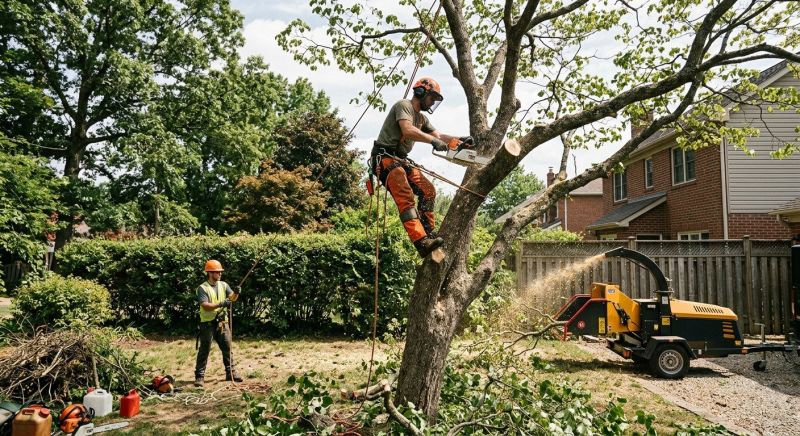
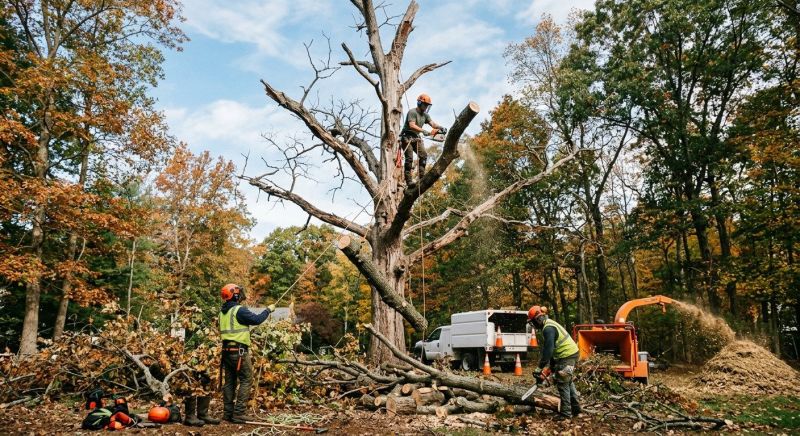
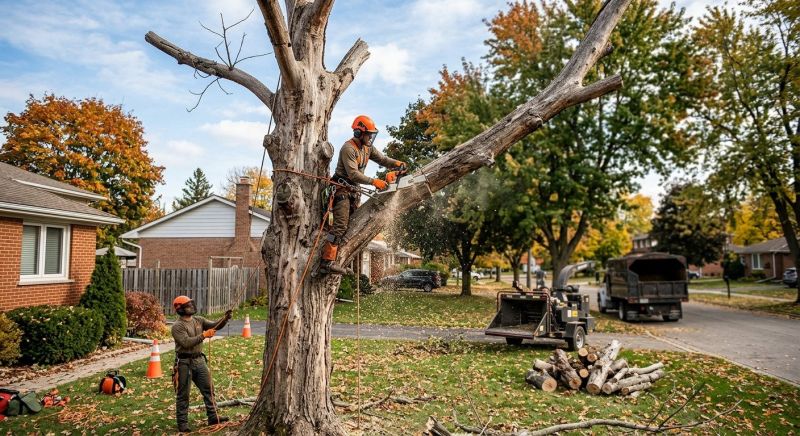
Dead tree removal services involve safely and efficiently removing trees that are dead, dying, or pose a risk to property or safety. This process typically includes assessing the tree’s condition, planning the best approach for removal, and then carefully cutting and removing the tree and its debris. Projects may range from removing a single hazardous tree to clearing multiple dead trees from a property, especially in cases where fallen branches or rotting trunks threaten structures, power lines, or landscaping.
Property owners interested in dead tree removal should consider factors such as the size and location of the tree, potential hazards during removal, and any necessary permits or restrictions in their area. It’s also helpful to understand the scope of work involved, including stump removal or grinding if desired, and to clarify expectations about cleanup and disposal of the removed material. Proper planning ensures the safety of the property and minimizes disruption during the removal process.
Many property owners in Doylestown, PA look into Dead Tree Removal for repairs, replacements, upgrades, and appearance-related improvements.
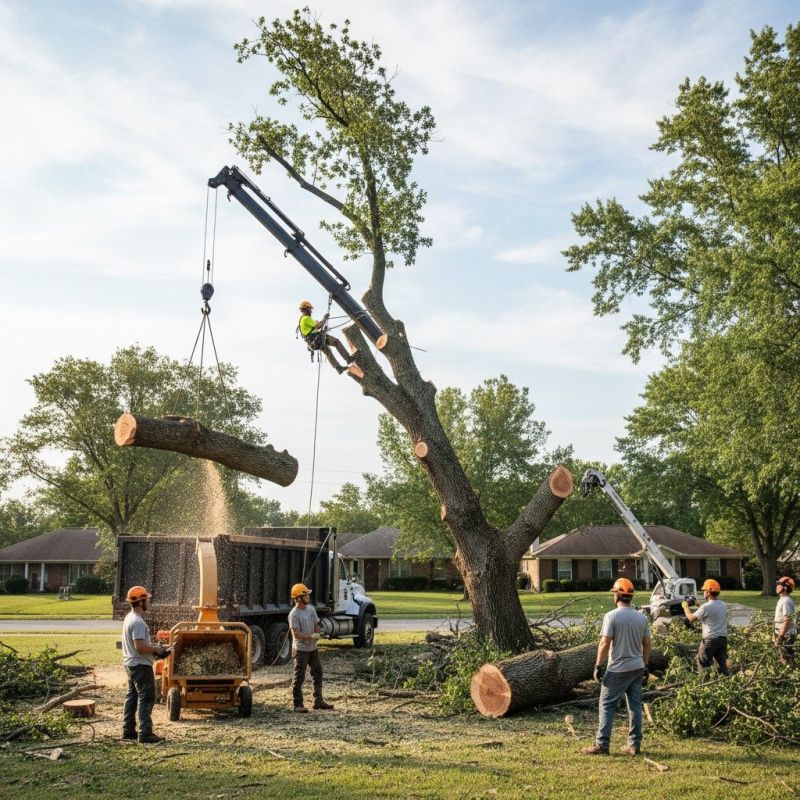
Hazardous Tree Removal
Removing dead trees reduces the risk of falling branches damaging property or causing injury.
Property Safety Enhancement
Dead tree removal helps maintain a safe and attractive outdoor space for residents and visitors.
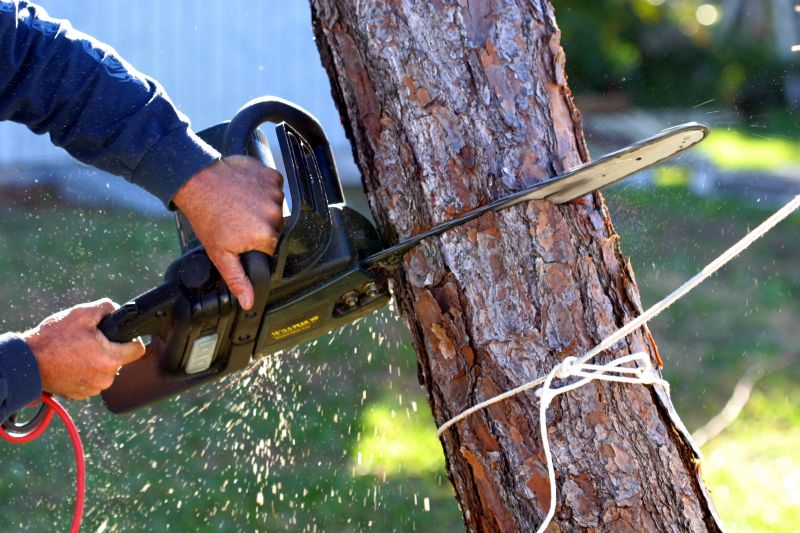
Tree Health And Landscape Care
Eliminating dead trees promotes the health of surrounding plants and improves overall landscape appearance in doylestown, pa.
Dead Tree Removal in Doylestown, PA
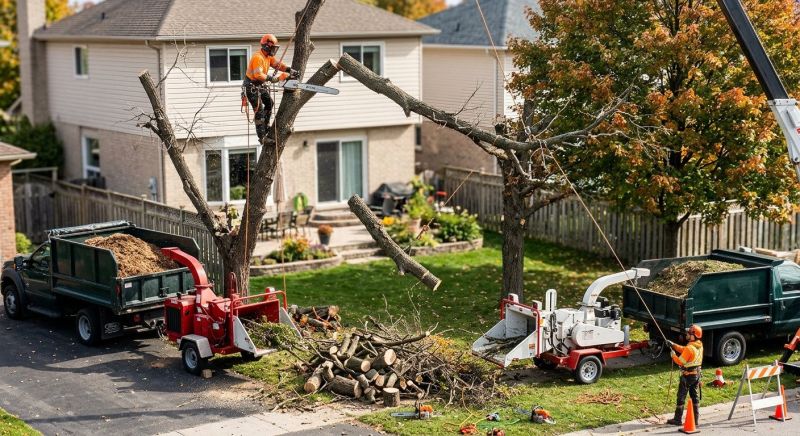
Dead tree removal services involve safely and efficiently removing trees that are dead, dying, or pose a risk to property or safety. This process typically includes assessing the tree’s condition, planning the best approach for removal, and then carefully cutting and removing the tree and its debris. Projects may range from removing a single hazardous tree to clearing multiple dead trees from a property, especially in cases where fallen branches or rotting trunks threaten structures, power lines, or landscaping.
Property owners interested in dead tree removal should consider factors such as the size and location of the tree, potential hazards during removal, and any necessary permits or restrictions in their area. It’s also helpful to understand the scope of work involved, including stump removal or grinding if desired, and to clarify expectations about cleanup and disposal of the removed material. Proper planning ensures the safety of the property and minimizes disruption during the removal process.
Many property owners in Doylestown, PA look into Dead Tree Removal for repairs, replacements, upgrades, and appearance-related improvements.
Common Dead Tree Removal Jobs
Dead Tree Removal - safely removes hazardous or decayed trees from residential or commercial properties.
Stump Grinding - eliminates tree stumps to improve landscape safety and aesthetics.
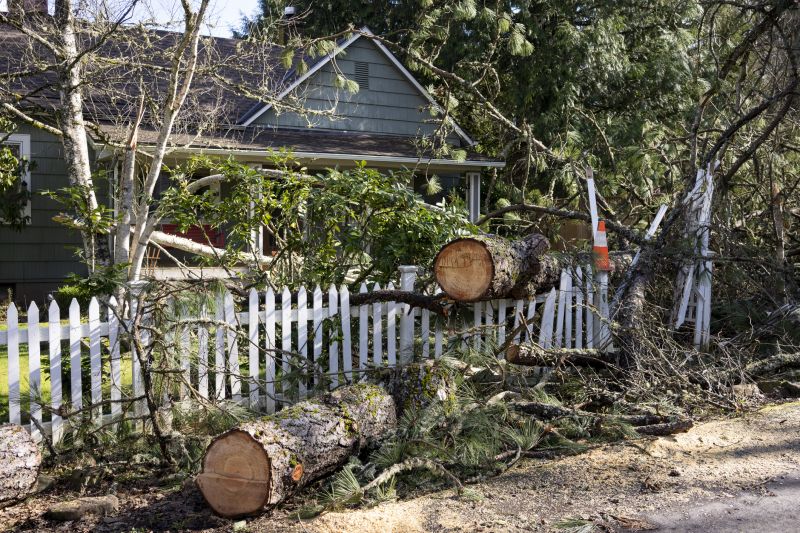
Emergency Dead Tree Removal - responds to urgent situations involving fallen or unstable trees.
Selective Tree Removal - removes specific dead or diseased trees to promote healthy growth.
Property Clearing - clears dead trees to prepare land for development or landscaping projects.
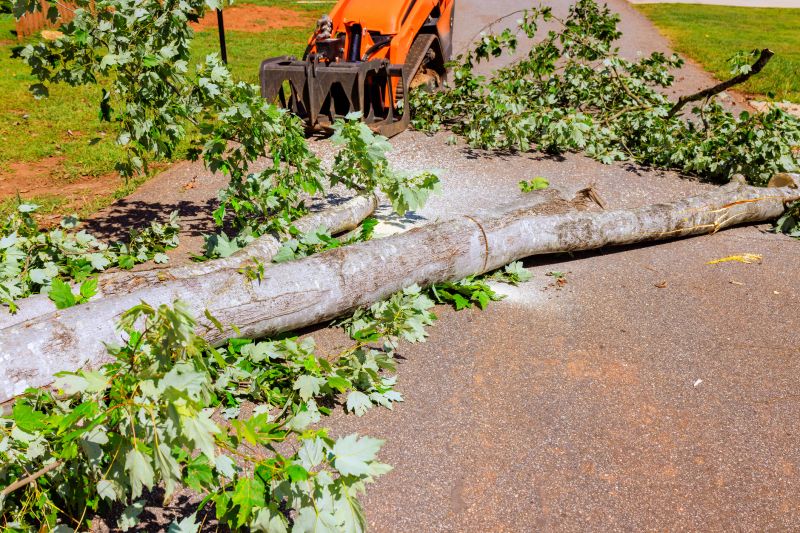
Tree Debris Cleanup - removes fallen branches and wood resulting from dead tree removal.
Dead Tree Removal Questions
Why remove a dead tree? Removing dead trees reduces the risk of falling branches or complete collapse, protecting property and safety.
Is dead tree removal necessary for health? Yes, removing dead trees can prevent disease spread to nearby healthy trees and maintain landscape appearance.
What types of dead trees are typically removed? Dead or decaying trees of any size or species that pose safety concerns are commonly removed.
How does dead tree removal impact the landscape? It helps maintain a tidy, safe yard and can improve the health of surrounding plants and trees.
Request Dead Tree Removal in Doylestown, PA
Use the quote form on this page to share the basics of your project and request more information for the type of work you need.