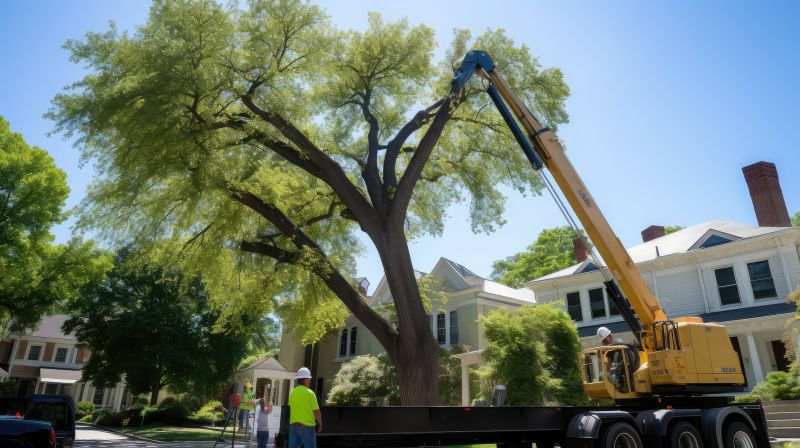
Palm Tree Removal in Allentown, PA
Palm tree removal services involve the careful and efficient elimination of palm trees that are dead, dying, or pose a safety risk to a property. This process includes the complete removal of the tree, including the trunk, fronds, and root system, to prevent any potential damage or hazards. Projects often requested by homeowners include removing trees that have become too tall or unstable, clearing space for new construction or landscaping, or addressing trees that are affected by disease or pests. Property owners should consider factors such as the size and location of the palm tree, potential impact on surrounding structures, and the overall health of the tree before requesting removal services.
Understanding the scope of palm tree removal is essential for property owners planning such projects. It is important to evaluate whether the tree’s size and proximity to power lines, buildings, or other trees could influence the complexity of the removal process. Additionally, property owners may want to inquire about debris cleanup, stump grinding, and any permits required for removal. Clear communication about the specific needs and concerns related to the palm tree can help ensure the removal process is safe, efficient, and suited to the property’s requirements.
Many property owners in Allentown, PA look into Palm Tree Removal for repairs, replacements, upgrades, and appearance-related improvements.
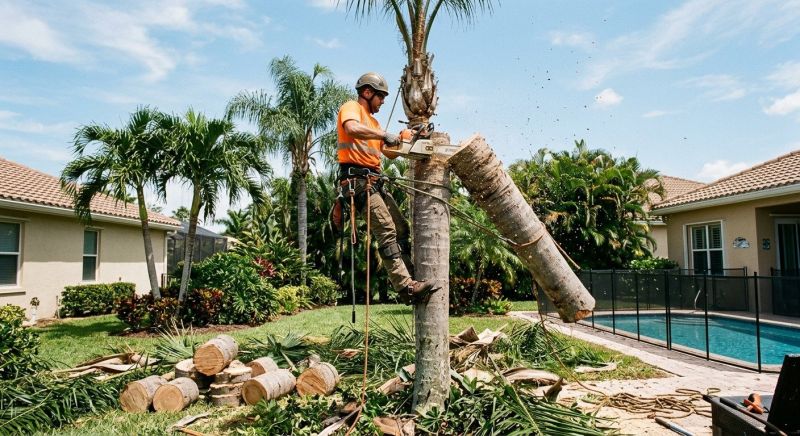
Reasons For Tree Removal
Trees may need removal due to health issues, safety concerns, or property development in allentown, pa.
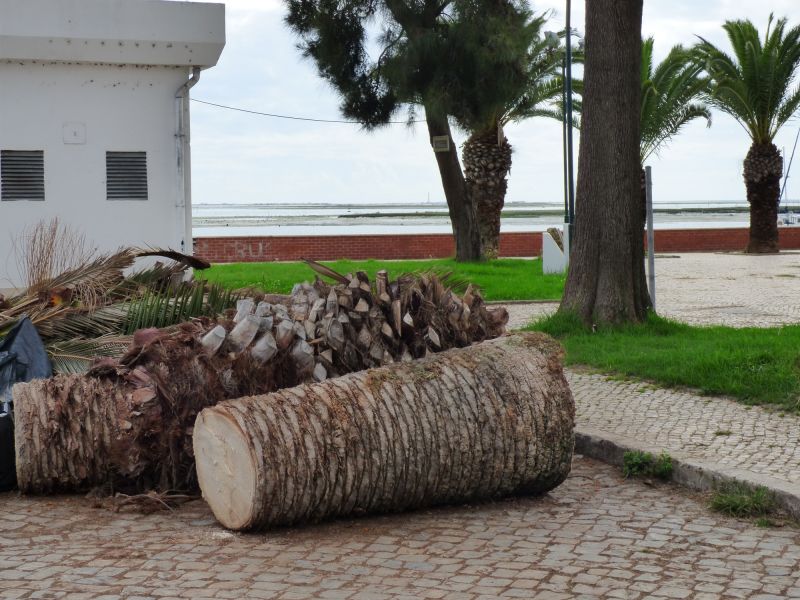
Safe Removal Techniques
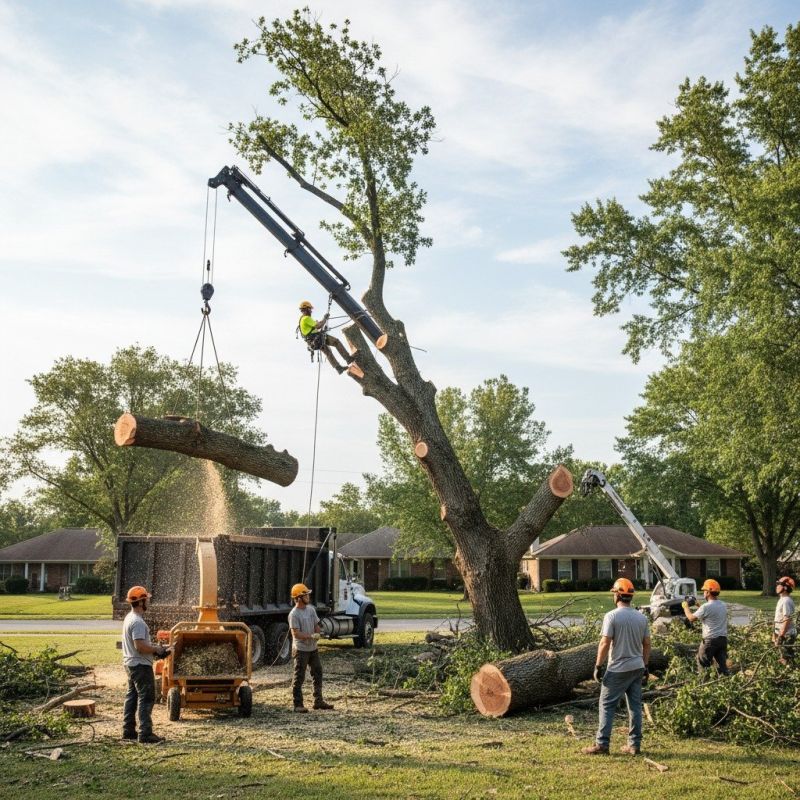
Proper equipment and procedures are essential for efficient and safe palm tree removal on residential and commercial properties.
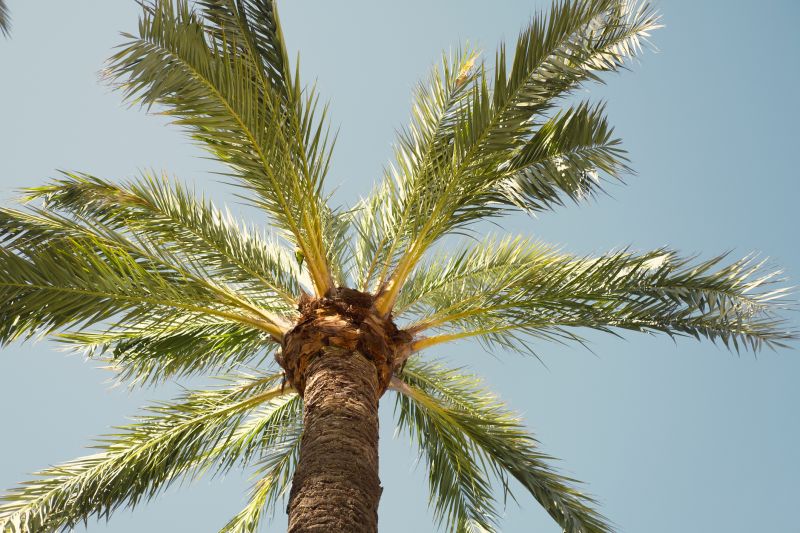
Post-Removal Cleanup
Clearing debris and restoring the landscape are important steps after removing a palm tree from your property in allentown.
Palm Tree Removal in Allentown, PA
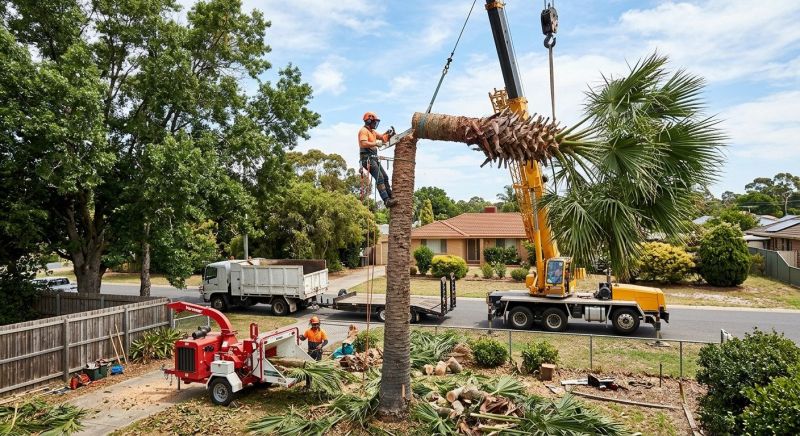
Palm tree removal services involve the careful and efficient elimination of palm trees that are dead, dying, or pose a safety risk to a property. This process includes the complete removal of the tree, including the trunk, fronds, and root system, to prevent any potential damage or hazards. Projects often requested by homeowners include removing trees that have become too tall or unstable, clearing space for new construction or landscaping, or addressing trees that are affected by disease or pests. Property owners should consider factors such as the size and location of the palm tree, potential impact on surrounding structures, and the overall health of the tree before requesting removal services.
Understanding the scope of palm tree removal is essential for property owners planning such projects. It is important to evaluate whether the tree’s size and proximity to power lines, buildings, or other trees could influence the complexity of the removal process. Additionally, property owners may want to inquire about debris cleanup, stump grinding, and any permits required for removal. Clear communication about the specific needs and concerns related to the palm tree can help ensure the removal process is safe, efficient, and suited to the property’s requirements.
Many property owners in Allentown, PA look into Palm Tree Removal for repairs, replacements, upgrades, and appearance-related improvements.
Common Palm Tree Removal Jobs
Palm tree removal involves safely taking down mature palms that are damaged or unwanted.
Stump grinding ensures the root system is completely cleared after tree removal.
Emergency palm removal handles urgent cases caused by storm damage or safety hazards.
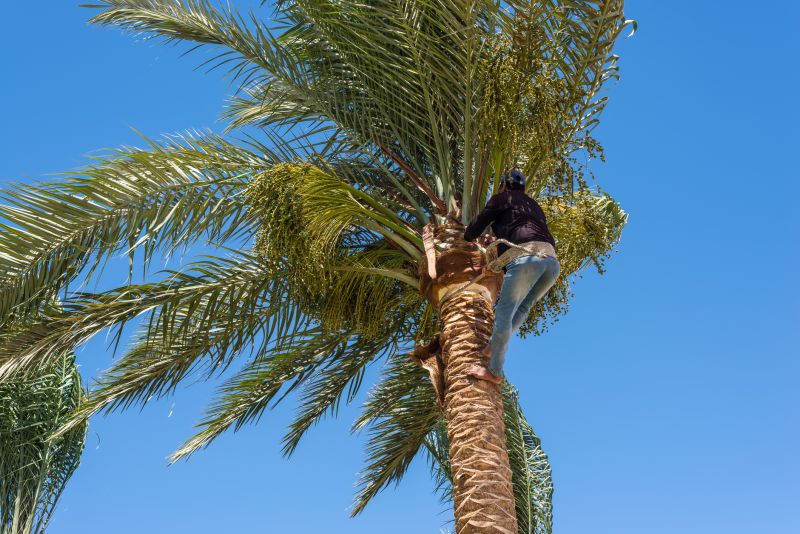
Partial palm trimming reduces the height or weight of palms to prevent toppling.
Complete palm removal is suitable for property renovations or landscape redesigns.
Palm cleanup services include debris removal and site clearing after the removal process.
Palm Tree Removal Questions
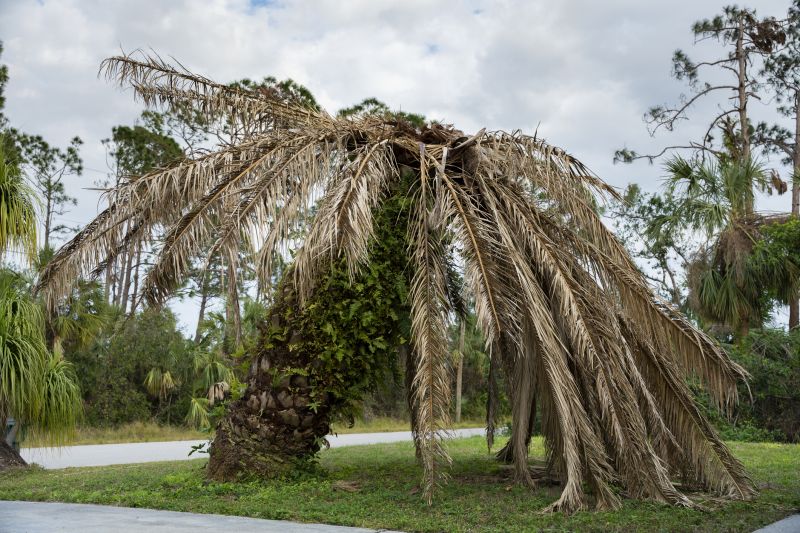
When is palm tree removal necessary? Removal is recommended when a palm is diseased, damaged, or poses a safety risk due to falling fronds or instability.
What should property owners consider before removing a palm tree? It's important to assess the tree's size, location, and potential impact on surrounding structures or landscaping.
Are there any restrictions on palm tree removal in residential areas? Local regulations or homeowner association rules may apply; checking these guidelines can ensure compliance.
What happens after a palm tree is removed? The stump can be ground down or left in place, and debris is typically cleared to restore the property’s appearance.
Request Palm Tree Removal in Allentown, PA
Use the quote form on this page to share the basics of your project and request more information for the type of work you need.